
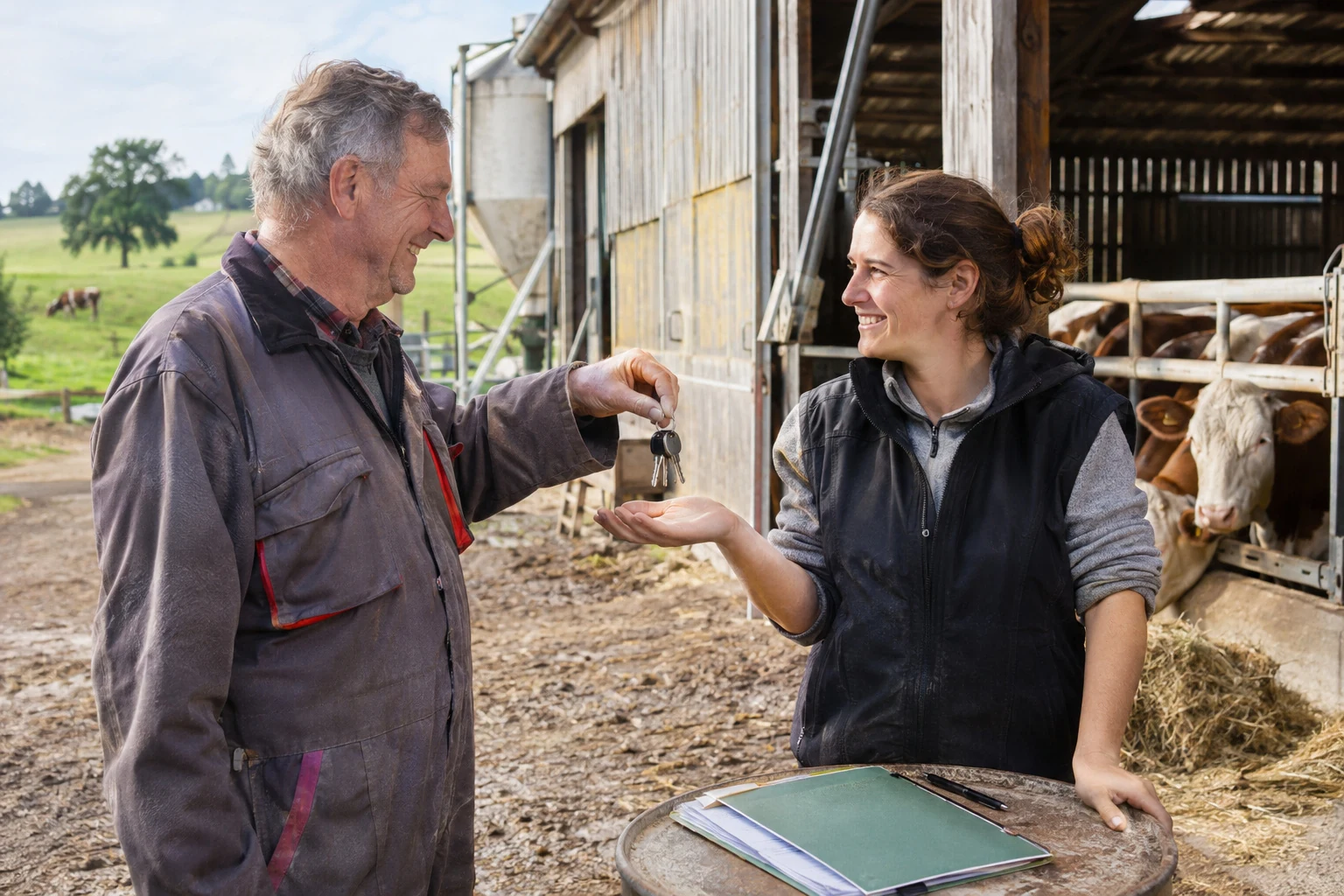
Balance the outgoing owner’s needs with the next farm business
A family farm transfer brings together two financial plans: the outgoing generation’s need for income and the successor’s ability to fund a viable operation. Land, machinery, livestock and business interests may transfer at different times and under different agreements. Establish an independent valuation and identify debts, leases and guarantees before deciding how much new borrowing is needed. FSA ownership routes may suit an eligible successor, but family arrangements and existing creditor approvals must be examined individually.
Make ownership and debt changes explicit
Compare a complete purchase with a staged transfer, lease or properly documented seller-financed arrangement, taking legal and tax advice on the proposed structure. The plan should say who controls decisions, funds repairs and receives profits during transition. Do not assume that an ownership change releases the retiring farmer from a personal guarantee. When expectations about price, timing or family participation diverge, certified agricultural mediation can help the parties discuss options before agreements are signed or disputes interfere with the continuing business.
Farm transfer finance and mediation
- FSA ownership financeFederal purchase and development lending to investigate for an eligible incoming farm operator.Visit the organisation ↗
- USDA Certified Mediation ProgramConnections to agricultural mediation that can address family-farm transition and credit disputes.Visit the organisation ↗