
Evaluate the machine’s contribution to production
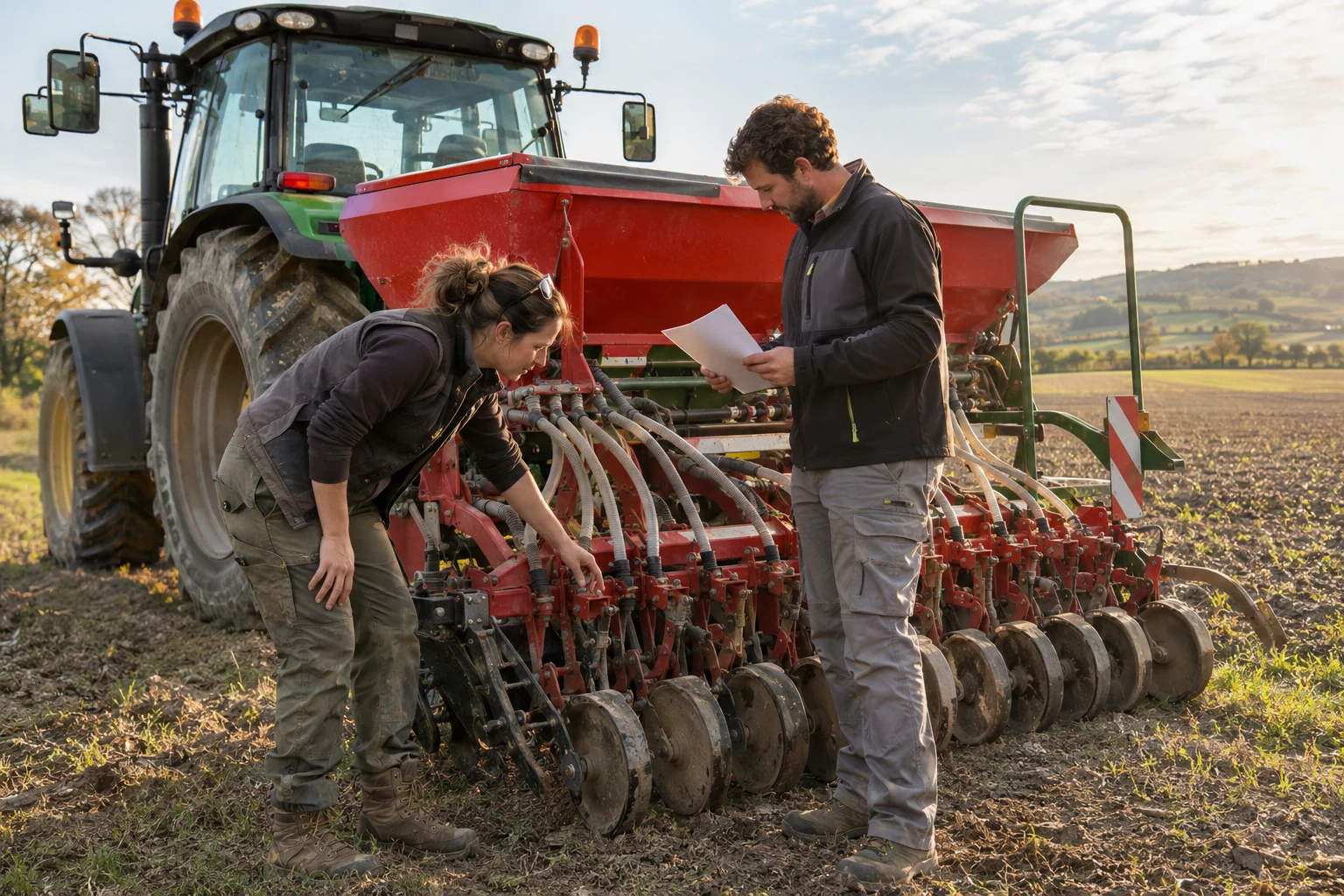
A tractor or precision seeder should be financed against the work it can realistically perform, not solely against the maximum borrowing amount offered. Record purchase price, trade-in proceeds, hours of use and the extra output or labor savings expected. Equipment-specific lending is available through agricultural institutions, including Farm Credit East, while FSA operating loans can finance eligible equipment. A used machine may reduce the initial debt but require a larger repair reserve and closer inspection of condition, ownership and existing liens.
Include costs beyond the purchase invoice
Ask how the lender treats attachments, delivery charges, registration and agricultural vehicles used partly for personal travel. Compare fixed payments with the farm’s seasonal receipts, and avoid extending the debt beyond the equipment’s likely productive life. Dealer finance, auction purchases and private sales can involve different documentation and funding procedures. Check whether early repayment carries a charge and whether an insurance settlement would fully clear the outstanding balance if the machine were damaged or lost soon after acquisition.
Equipment-financing providers and federal options
- Farm Credit East equipment financingLoan and AgDirect routes for agricultural machinery, vehicles and related productive equipment.Visit the organisation ↗
- FSA Farm Operating LoansFederal operating-loan purposes that include eligible farm equipment purchases.Visit the organisation ↗