
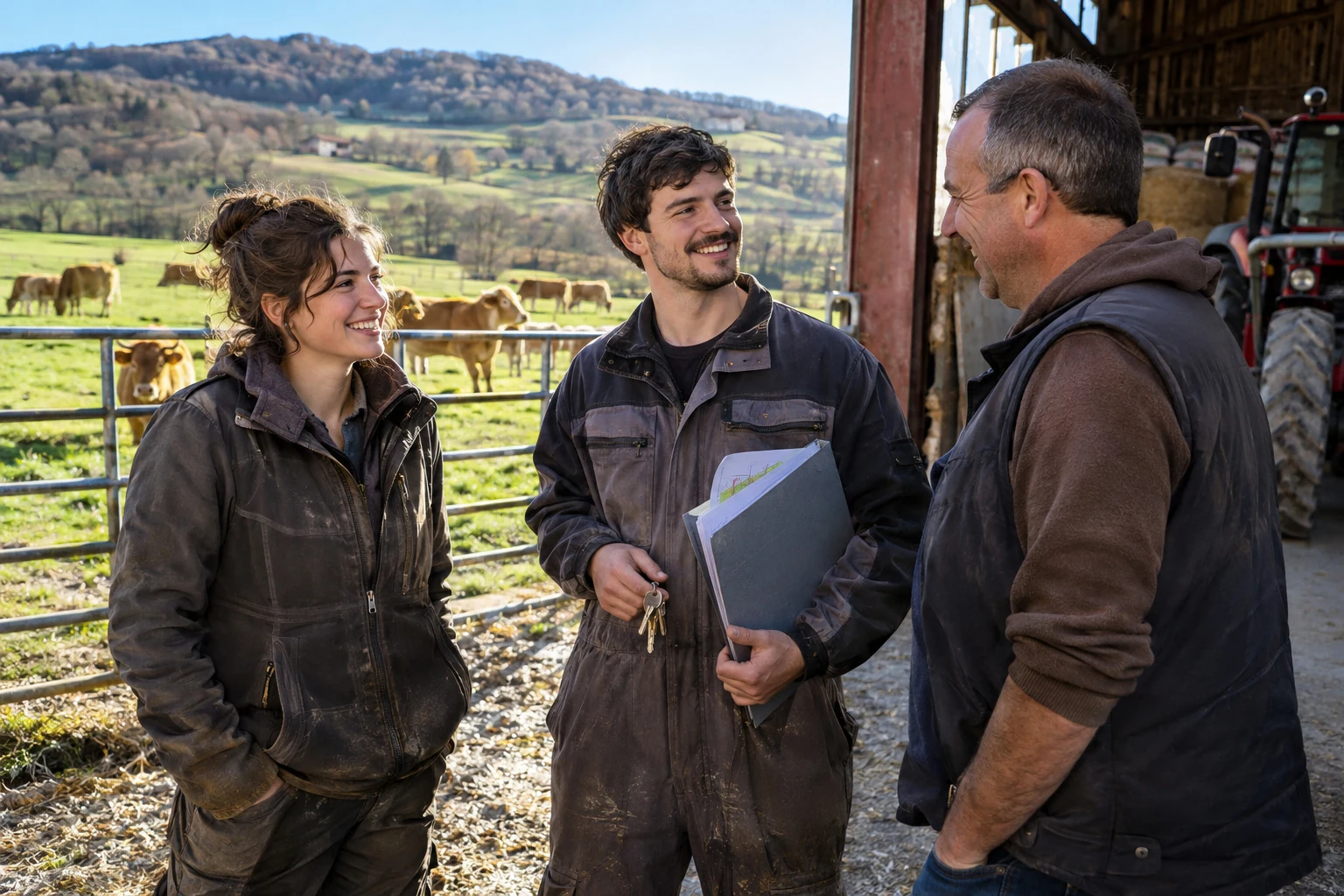
Separate breeding assets from animals held for sale
Borrowing for breeding cattle has a different cash cycle from financing feeder animals intended for resale. A herd-building plan should include purchase costs, transport, quarantine, feed, veterinary care and the interval before offspring or milk generate revenue. Compeer Financial describes lending for breeding stock, herd expansion and inventory livestock; AgGeorgia also lists livestock finance among its agricultural products. The appropriate structure depends on the enterprise, the animals’ intended role and the service area of the chosen institution.
Protect cash flow while the herd develops
Prepare animal inventories and realistic assumptions for mortality, fertility and selling prices rather than basing repayment on an ideal production year. Establish how sale proceeds must be applied when livestock secure the loan, and keep the lender informed before moving or selling pledged animals. Insurance, identification and husbandry records can help document the operation, but they do not eliminate biological or market risk. For a new herd, preserve enough working capital to cover feeding and care if the first expected receipts arrive later than planned.
Livestock lending institutions
- Compeer Financial agricultural loansLivestock and working-capital financing described alongside herd-expansion and breeding-stock uses.Visit the organisation ↗
- AgGeorgia Farm CreditRegional lending options that include cattle, dairy and other agricultural investment needs.Visit the organisation ↗