
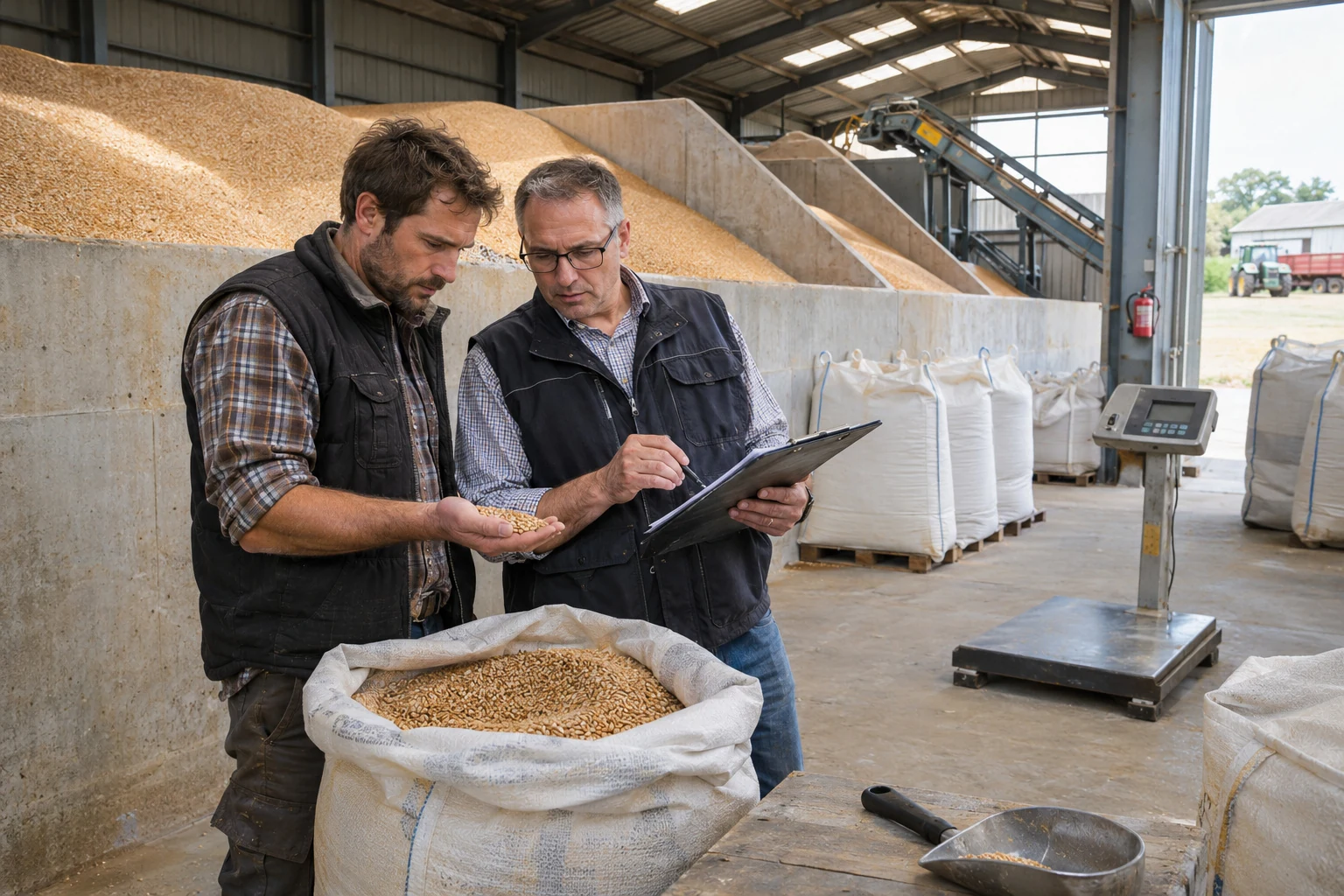
Turn stored production into temporary liquidity
A harvested crop can sometimes support interim borrowing while the producer decides when to sell. USDA Marketing Assistance Loans use eligible harvested commodities as security, subject to commodity-specific rules and application dates. Agricultural operating lenders may offer other inventory-related credit arrangements. Before borrowing, establish who owns the crop, where it is stored, whether another lender already holds a lien and how quantity and quality will be documented. An expected price increase is not assured simply because a sale can be delayed.
Budget the carrying cost of unsold commodities
Compare the anticipated marketing benefit with interest, drying, storage, handling and spoilage costs. The repayment mechanism for a federal commodity loan is not necessarily the same as that of a commercial harvest advance. Ask about release procedures before selling or moving pledged production, and record any deductions or quality adjustments affecting the net proceeds. Keeping a documented exit date helps distinguish a planned marketing decision from a loan that becomes difficult to repay because the crop remains unsold through another season.
Commodity-backed credit resources
- FSA Marketing Assistance LoansCommodity eligibility, collateral requirements and repayment framework for federal harvest-time financing.Visit the organisation ↗
- Farm Credit East grain-farm financeOperating, storage and related financial services for grain producers in the Northeast.Visit the organisation ↗