
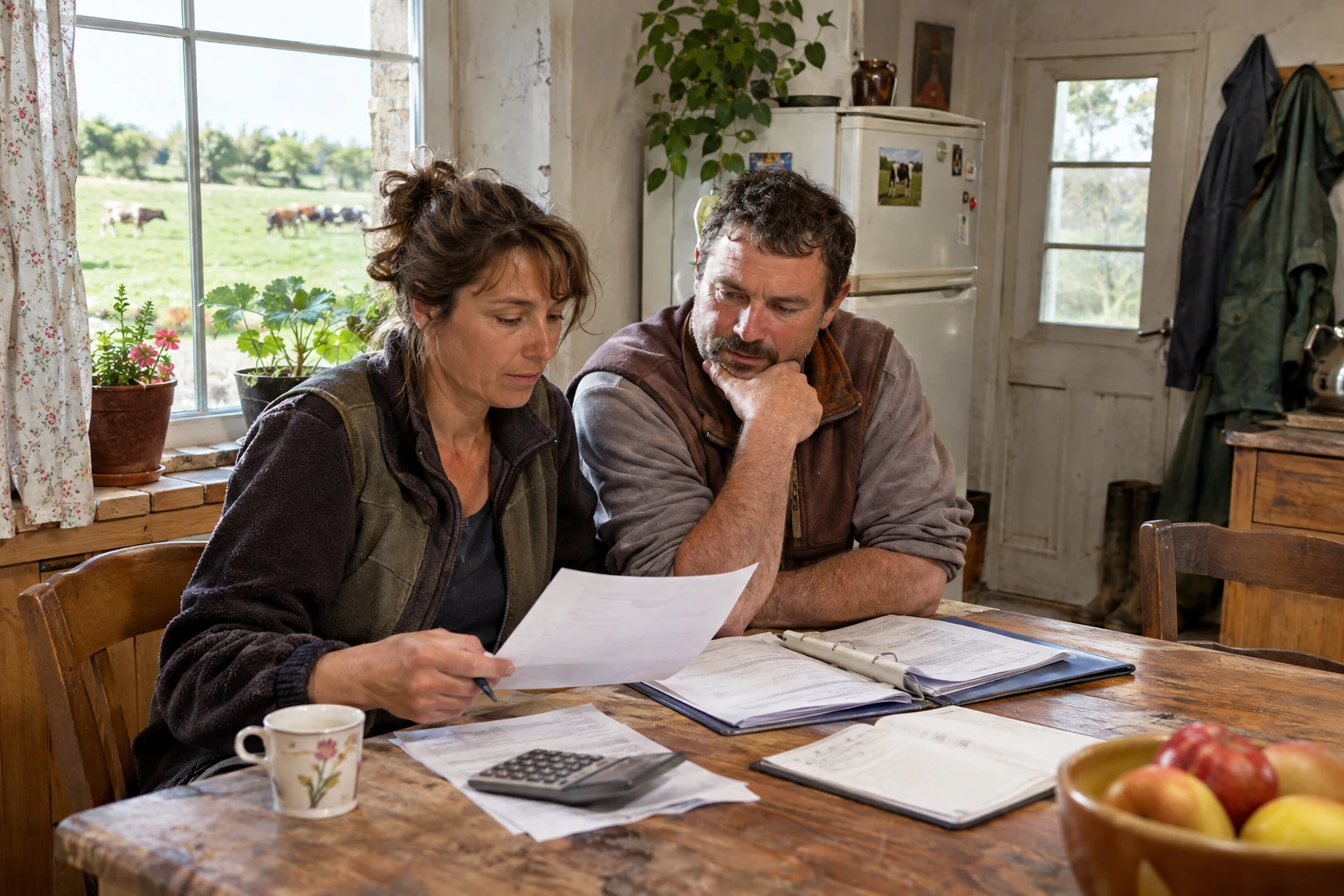
Show the income available to support personal repayments
When an agricultural producer applies for personal borrowing, the lender needs to understand the income available after business obligations. Gross crop receipts are not the same as spendable household earnings. A Schedule F reports farm profit or loss for relevant tax filers, but the application may also require complete returns, current accounts, bank statements and a debt schedule. Farm Credit Mid-America describes family-need borrowing for eligible farm customers, illustrating why the household purpose and the underlying agricultural finances should be explained together.
Explain fluctuations without confusing revenue and earnings
Prepare a short account of seasonal sales, weather-related interruptions and unusual income so a reviewer can distinguish recurring earnings from exceptional receipts. Depreciation and other noncash items may need explanation; the lender decides whether and how adjustments are accepted. Show how much cash the household actually draws from the enterprise and whether another business owner has a claim on the remaining profit. If recent performance differs from the last filed return, provide supporting records rather than an unsupported estimate of what the next harvest should earn.
Tax reporting and farm-family borrowing resources
- IRS Schedule F informationThe federal farm profit-or-loss reporting form that may form part of a personal borrowing file.Visit the organisation ↗
- Farm Credit Mid-America family-need loansPersonal-purpose borrowing information for qualifying agricultural customers in the lender’s territory.Visit the organisation ↗