
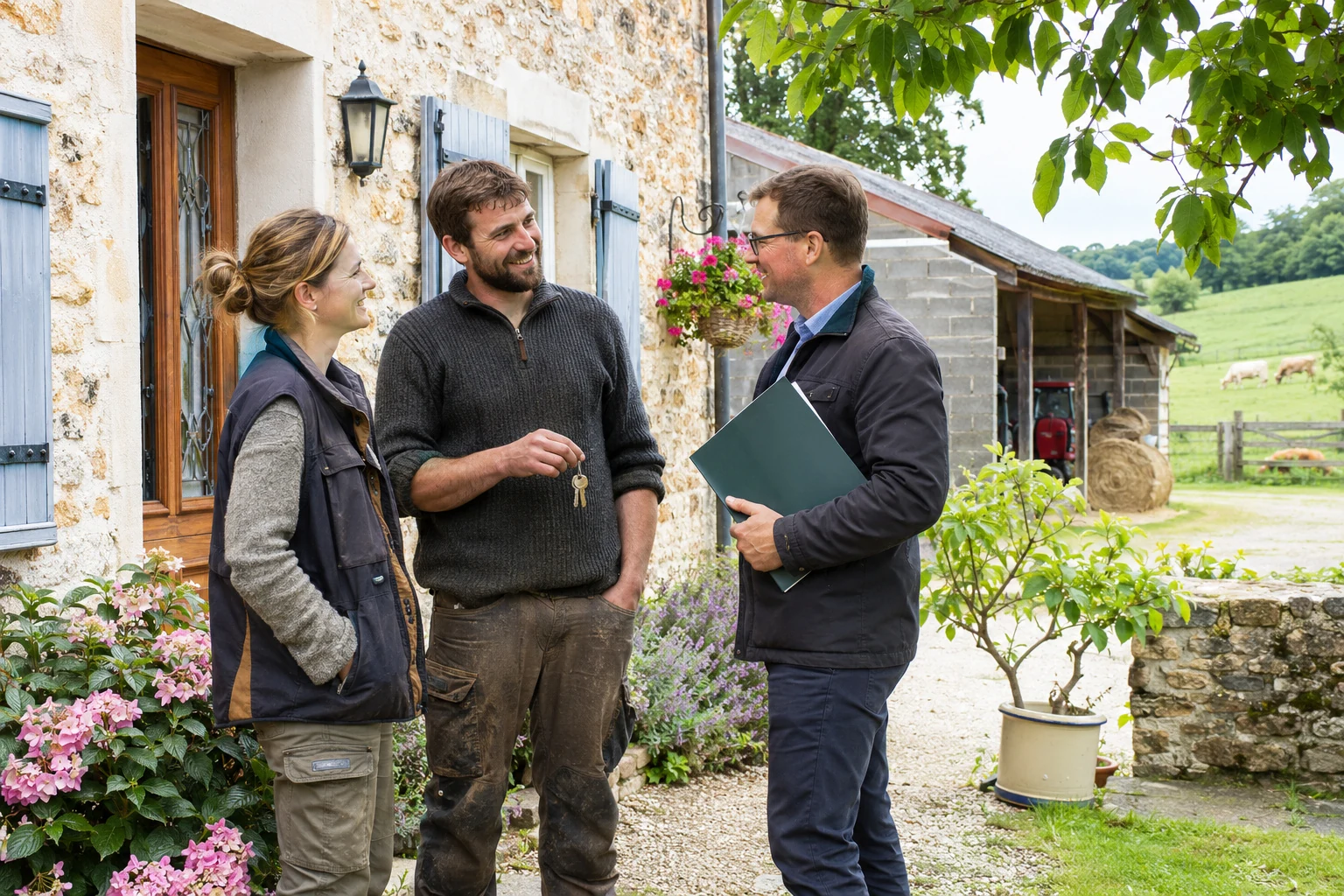
The property’s use determines the financing conversation
A house in the countryside does not automatically qualify as a farm, and a working agricultural property does not automatically qualify for a rural home mortgage. Explain the acreage, buildings, leases, livestock and proposed commercial activity when first contacting a lender. USDA’s guaranteed rural housing program serves eligible primary residences and excludes income-producing property. FSA ownership loans address qualifying farm purchases and improvements under a separate agricultural framework. Those programs evaluate different purposes even when both involve a home on rural land.
Separate a household purchase from a farming enterprise
Ask which parts of the property the appraisal will value and whether the intended activity changes the accepted loan category. A household garden and a commercial livestock enterprise present different questions, so avoid deciding eligibility from acreage alone. Compare security requirements, insurance, closing costs and how farm-derived income will be documented. Where a dwelling and business share one title, obtain a written explanation of the financing structure before committing to a purchase; dividing the price informally between house and fields does not resolve the lender’s property-use rules.
Agricultural and rural residential loan programs
- USDA guaranteed rural housingPrimary-residence requirements and restrictions relevant to properties used for income production.Visit the organisation ↗
- FSA agricultural ownership lendingFarm-purchase and improvement financing to assess when the property supports a qualifying agricultural operation.Visit the organisation ↗